The shimmering towers of Dubai have long cast their golden reflection across global commerce, but now a new gleam is emerging from the traditional souks. In a bold move that marries centuries-old trade with cutting-edge technology, Dubai's gold market is undergoing a digital transformation that promises to redefine its position in the global jewelry trade.
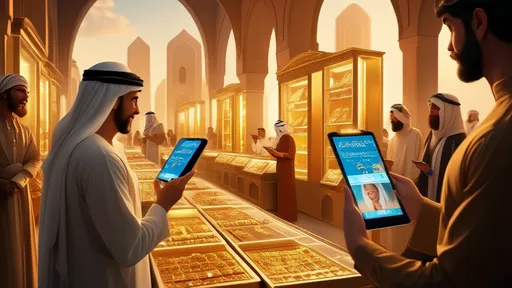
The heart of this revolution beats within the historic Deira Gold Souk, where merchants who once relied solely on their experienced eyes and touch are now embracing artificial intelligence and blockchain verification. This isn't merely an upgrade; it's a fundamental reimagining of how gold trading operates in the modern era. The introduction of sophisticated scanning devices and authentication systems represents the most significant shift in market operations since the souk first opened its doors decades ago.
What makes Dubai's approach particularly innovative is how seamlessly the new technology integrates with traditional practices. The smart verification systems don't replace the skilled artisans and traders; rather, they enhance their capabilities. Gold that passes through these new verification channels receives digital certification that tracks its journey from mine to market, creating an unprecedented level of transparency in an industry where authenticity has always been paramount.
The timing of this technological push couldn't be more strategic. Global gold markets have faced increasing scrutiny regarding sourcing and authenticity, with consumers and institutional buyers demanding greater assurance about their purchases. Dubai's proactive adoption of these systems positions it as a leader in addressing these concerns head-on. The emirate isn't just keeping pace with market demands; it's setting new standards that other trading hubs will need to follow.
Behind the scenes, the implementation involved careful coordination between government regulators, technology providers, and the gold trading community itself. The Dubai Multi Commodities Centre worked extensively with local traders to ensure the new systems complemented rather than disrupted established business practices. This collaborative approach has been crucial in gaining industry buy-in for what amounts to a revolutionary change in daily operations.
The technological infrastructure now being deployed includes advanced spectrometers that can detect even the most sophisticated counterfeit materials, blockchain platforms that create tamper-proof records of transactions, and AI-powered analysis tools that can identify patterns indicative of fraudulent activity. These systems work in concert to create multiple layers of verification, making Dubai's gold market one of the most secure trading environments in the world.
For international buyers, the implications are significant. The enhanced verification means they can conduct business with greater confidence, knowing that the gold they purchase comes with digital proof of its authenticity and origin. This is particularly important for institutional investors and jewelry manufacturers who require consistent quality and reliable sourcing for their operations. The smart detection systems provide that assurance in ways that traditional verification methods simply cannot match.
Local traders initially approached the changes with cautious optimism, but many have become strong advocates as they've witnessed the benefits firsthand. The technology hasn't diminished the human element of trading; rather, it has freed traders to focus on relationship-building and strategic decision-making while the automated systems handle routine verification tasks. This combination of human expertise and technological precision creates a powerful competitive advantage in the global marketplace.
The transformation extends beyond mere authentication. Data collected through these smart systems provides valuable insights into market trends, buying patterns, and operational efficiencies. This business intelligence helps traders make more informed decisions about inventory, pricing, and market positioning. In essence, the gold market is becoming not just smarter about verification, but smarter about business overall.
Dubai's geographical position as a bridge between Eastern and Western markets gives this technological upgrade particular significance. The enhanced verification standards create a new benchmark for gold trading along the crucial Dubai-India-China trade corridor, potentially influencing practices across multiple markets. As other trading hubs observe Dubai's success, similar systems will likely emerge elsewhere, but Dubai's first-mover advantage positions it as the standard-setter.
The implementation hasn't been without challenges. Integrating new technology with legacy systems required significant investment and training. Some older traders needed convincing that the digital tools would enhance rather than replace their hard-earned expertise. However, the comprehensive training programs and demonstrated benefits have won over most skeptics, creating a market that honors its traditions while embracing its future.
Looking ahead, the smart detection systems provide a foundation for further innovation. The data infrastructure now in place could support additional services like automated valuation, predictive market analysis, and enhanced supply chain tracking. These capabilities would further strengthen Dubai's position as not just a trading hub, but a center of gold market innovation and intelligence.
International response to these developments has been notably positive. Major jewelry brands and institutional buyers have expressed increased confidence in sourcing from Dubai, recognizing the value of the enhanced verification systems. This confidence translates into concrete business advantages, as buyers are often willing to pay premium prices for gold with verified provenance and guaranteed authenticity.
The technological transformation also supports Dubai's broader economic vision. By modernizing this crucial sector, the emirate demonstrates its commitment to maintaining leadership in global trade while adapting to changing market conditions. The success of this initiative could serve as a model for modernizing other traditional market sectors, creating a ripple effect of innovation across Dubai's diverse economy.
As the sun sets over the Dubai Creek, casting golden light on the dhows that have carried precious cargo for generations, a new era dawns for the city's gold trade. The marriage of ancient tradition and modern technology creates something unique in global commerce: a market that honors its history while securing its future. The smart detection systems represent more than just technological progress; they symbolize Dubai's enduring commitment to excellence in global trade.
The impact of these changes extends beyond business transactions. By setting new standards for verification and transparency, Dubai contributes to raising integrity standards across the global gold industry. This leadership role enhances not just Dubai's commercial standing, but its reputation as a responsible trading partner committed to ethical practices and consumer protection.
In the competitive landscape of global jewelry trade, where authenticity and trust are the ultimate currencies, Dubai's investment in smart detection technology represents a strategic masterstroke. The systems now being implemented don't just verify gold; they verify Dubai's position as a forward-thinking, reliable, and innovative center for global trade. As other markets watch and learn, Dubai's golden glow grows ever brighter on the world stage.

By /Oct 17, 2025

By /Oct 17, 2025
By /Oct 17, 2025

By /Oct 17, 2025
By /Oct 17, 2025

By /Oct 17, 2025

By /Oct 17, 2025

By /Oct 17, 2025
By /Oct 17, 2025
By /Oct 17, 2025

By /Oct 17, 2025

By /Oct 17, 2025
By /Oct 17, 2025

By /Oct 17, 2025
By /Oct 17, 2025
By /Oct 17, 2025
By /Oct 17, 2025
By /Oct 17, 2025
By /Oct 17, 2025

By /Oct 17, 2025
