In the hushed, velvet-lined rooms of high jewelry, a quiet revolution is taking place. For centuries, the pearl industry has been governed by an unyielding doctrine of perfection: spherical shape, flawless surface, and brilliant luster. But a new generation of designers and consumers is turning this orthodoxy on its head, finding profound beauty in the irregular, the asymmetrical, and the uniquely formed. The baroque pearl, once relegated to the discount bin, is now the star of the show, driving a remarkable market expansion and captivating an entirely new demographic of jewelry lovers.
The term baroque itself, derived from the Portuguese barroco meaning "irregular pearl," has long carried a whiff of the second-rate. These pearls, formed when an oyster deposits nacre around an irritant in a less-than-uniform fashion, were historically seen as manufacturing errors of nature. They were the misfits, the oddballs. Today, that very irregularity is their greatest asset. In an era of mass production and algorithmically determined trends, the baroque pearl offers something increasingly rare: genuine, unrepeatable character. No two are alike. Each one tells a unique story of its formation, a miniature sculpture crafted by chance and biology.
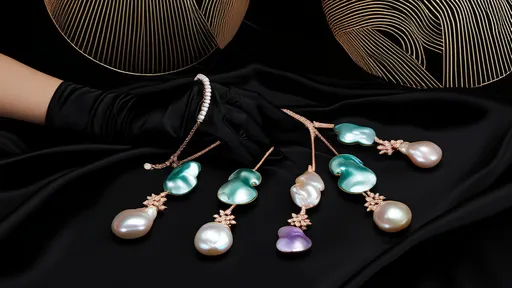
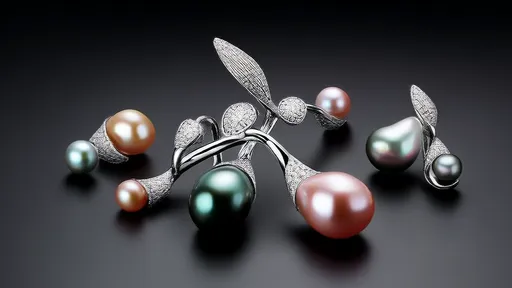
This shift in perception is largely designer-led. Visionary jewelry artists, tired of the constraints of perfect rounds, have embraced the organic forms of baroque pearls as a source of limitless inspiration. A teardrop-shaped pearl becomes a celestial body in a constellation necklace; a wildly contorted South Sea pearl transforms into the sinuous body of a dragon or a swirling abstract form. Designers are no longer just setting stones; they are collaborating with nature, allowing the pearl's inherent shape to dictate the final design. This creative freedom has resulted in pieces that are more artistic, more sculptural, and far more expressive than traditional pearl jewelry.
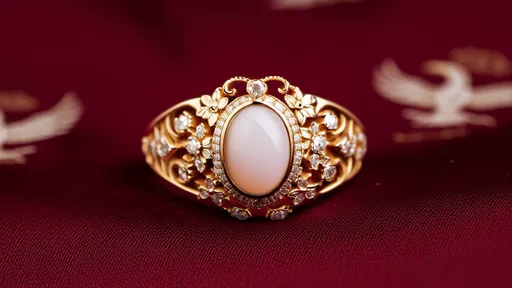
The appeal of these unconventional gems is resonating powerfully with a new consumer base. Millennial and Gen Z buyers, in particular, are driving this trend. This demographic is characterized by a desire for individuality, a skepticism of traditional status symbols, and a deep appreciation for sustainability and storytelling. For them, a perfectly round, identical strand of pearls might whisper of a conservative, inherited elegance. In contrast, a baroque pearl pendant or ring speaks of personal style, artistic discernment, and a connection to the raw, untamed beauty of the natural world. It is a statement against homogenization.
The marketing narrative around baroque pearls has been masterfully reframed. Instead of hiding their imperfections, brands and influencers are celebrating them. The language used is one of empowerment and self-acceptance: "Embrace Your Imperfections," "Celebrate Your Uniqueness," "Find Beauty in the Flawed." This messaging strikes a powerful chord in a culture increasingly focused on authenticity and mental well-being. The baroque pearl becomes more than an accessory; it becomes a talisman, a physical reminder that our perceived flaws are what make us interesting and beautiful.
Social media platforms, especially visually-driven ones like Instagram and Pinterest, have been instrumental in this "baroque boom." The dramatic, sculptural qualities of these pearls are inherently photogenic. They catch the light in unexpected ways, creating captivating shadows and highlights that standard pearls cannot. Jewelers and influencers showcase these pieces not in sterile, clinical settings, but in dynamic, lifestyle-oriented content—artfully arranged on a stack of art books, worn with a crisp white t-shirt, or glimpsed against a textured wall. This contextualizes baroque pearls as accessible, modern, and cool, dismantling the stuffy, formal image of traditional pearl jewelry.
From a market perspective, the rise of baroque pearls represents a significant and lucrative expansion. While fine spherical pearls remain at the top of the price pyramid, high-quality baroque specimens from sources like Tahiti, the South Seas, and freshwater systems in China are commanding impressive prices. More importantly, they have opened up the pearl category to customers who previously found it irrelevant or unaffordable. The variety of shapes and sizes means there is a baroque pearl for a wide range of budgets, from accessible freshwater pieces to high-end, one-of-a-kind designer creations.
This trend also aligns with a growing interest in the provenance and ethics of jewelry. Consumers are asking more questions about where their gems come from. Baroque pearls, particularly freshwater varieties, are often a byproduct of the cultured pearl industry. By giving value to these previously undervalued gems, the industry is moving towards a less wasteful model. It’s a form of upcycling on a natural scale, which adds another layer of appeal for the conscious consumer.
The aesthetic influence of baroque pearls is now rippling beyond fine jewelry into the broader fashion and design worlds. Their organic, non-conformist shapes are influencing everything from ceramic and glassware designs to architectural details and textile patterns. The "baroque sensibility"—a celebration of the irregular, the textured, and the uniquely formed—is becoming a definable aesthetic movement.
Looking ahead, the future for baroque pearls seems exceptionally bright. They have successfully shattered the rigid conventions of pearl beauty and, in doing so, have revitalized an entire sector of the jewelry industry. They represent a broader cultural moment where individuality is prized over conformity, and authenticity is the ultimate luxury. The baroque pearl is no longer an outlier; it is a pioneer, leading the charge towards a more inclusive, artistic, and personal definition of what makes something truly precious. The reign of the perfect sphere is over. The age of the beautiful irregular has begun.

By /Oct 17, 2025

By /Oct 17, 2025

By /Oct 17, 2025

By /Oct 17, 2025
By /Oct 17, 2025

By /Oct 17, 2025

By /Oct 17, 2025
By /Oct 17, 2025
By /Oct 17, 2025
By /Oct 17, 2025

By /Oct 17, 2025
By /Oct 17, 2025
By /Oct 17, 2025
By /Oct 17, 2025
By /Oct 17, 2025
By /Oct 17, 2025
By /Oct 17, 2025
By /Oct 17, 2025
By /Oct 17, 2025
By /Oct 17, 2025
