In the shadow of conflict, an unexpected phenomenon has emerged from Ukraine's creative sector. Jewelry designers and artisans, whose workshops once echoed with the gentle sounds of metalworking and gem-setting, now create while air raid sirens wail in the distance. Their survival and continued operation have become intertwined with a global movement of solidarity, amplified through the very modern channels of social media platforms.
The transformation began subtly in the early days of the conflict. Ukrainian jewelry brands, many of which had cultivated modest international followings through platforms like Instagram and Pinterest, found their customer base suddenly expanding beyond their traditional markets. What started as expressions of moral support in comments sections quickly evolved into something more tangible: purchase orders from countries the designers had never shipped to before, accompanied by messages of solidarity and encouragement.
Social media platforms have become the primary vehicle for this remarkable story of economic resilience. Instagram, in particular, has served as both showcase and conduit, allowing international customers to discover Ukrainian designers through hashtags like #StandWithUkraine and #BuyUkrainian. The visual nature of the platform perfectly complements the aesthetic appeal of jewelry, while direct messaging features enable personal connections between creators and their global supporters. These digital interactions often transcend typical commercial transactions, evolving into genuine exchanges of cultural understanding and emotional support.
The phenomenon represents more than simple commerce; it embodies what marketing experts call "purpose-driven purchasing." Consumers aren't merely buying beautiful objects; they're participating in a form of economic activism. Each purchase becomes a statement of solidarity, a tangible contribution to sustaining Ukrainian livelihoods during unimaginable circumstances. The jewelry serves as both personal adornment and political statement, with wearers often sharing their purchases online with captions explaining their significance.
Ukrainian designers have adapted their creative processes to the realities of working in a war zone. Many have relocated their workshops to safer areas, while others continue creating in cities under frequent threat. The challenges are immense: power outages disrupt production schedules, supply chains for materials are frequently interrupted, and shipping logistics present daily obstacles. Despite these hurdles, the determination to continue creating has become part of the brands' narratives, shared with followers through regular updates that blend business operations with personal survival stories.
The emotional resonance of these purchases cannot be overstated. International customers frequently describe feeling a deeper connection to their Ukrainian-made jewelry than to other items in their collections. They know the story behind each piece extends beyond design inspiration to include the circumstances of its creation. This transforms the jewelry from mere accessory to meaningful artifact, carrying with it the weight of its origin story. Many customers report wearing their Ukrainian pieces as daily reminders of the ongoing situation and their small role in supporting those affected.
Social media algorithms have inadvertently amplified this movement. As engagement with Ukrainian content increased across platforms, the visibility of these jewelry brands grew exponentially. The organic, grassroots nature of this support has proven more effective than any marketing campaign could have been. International influencers and ordinary users alike have shared their purchases and the stories behind them, creating a ripple effect that introduces new audiences to Ukrainian designers with each post.
The sustainability of this model raises important questions about the future of ethical consumerism. Can this level of engagement be maintained as the conflict continues? Will consumer interest persist once media attention inevitably shifts to other global issues? Ukrainian designers are aware of these challenges and are working to establish lasting relationships with their new international customer base through exceptional craftsmanship, unique designs, and continued transparency about their working conditions.
Beyond the economic impact, this movement has provided psychological support to Ukrainian artisans. The knowledge that their work is appreciated internationally, and that each sale represents not just income but moral support, has been described by many as a crucial source of motivation. In interviews, designers frequently mention how messages from international customers have lifted their spirits during particularly difficult periods, creating a feedback loop of mutual support and appreciation.
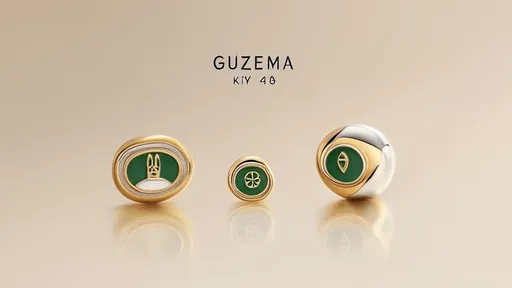
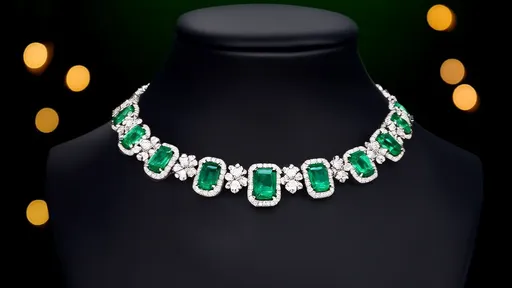
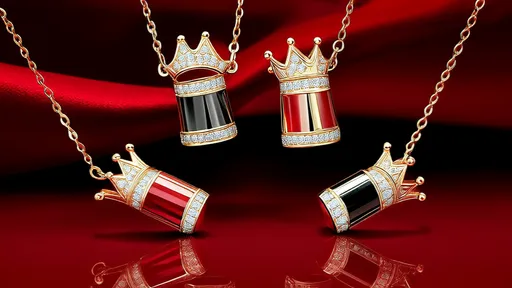
The jewelry itself has evolved in response to the circumstances. Some designers have incorporated symbolic elements reflecting Ukrainian identity and resilience, while others have created pieces specifically intended as symbols of solidarity. The materials and techniques remain rooted in Ukrainian artistic traditions, but the context of their creation has added layers of meaning that resonate deeply with both creators and customers.
This phenomenon demonstrates the evolving nature of global solidarity in the digital age. Where previous generations might have expressed support through political demonstrations or charitable donations, contemporary expressions often blend commerce with cause. The purchase of Ukrainian jewelry represents a hybrid approach: consumers acquire beautiful objects for personal use while simultaneously supporting individual artisans and, by extension, the Ukrainian economy. This dual benefit enhances the appeal of such purchases, making them accessible forms of support for people who might not otherwise engage in traditional activism.
The logistical challenges of operating a jewelry business during wartime cannot be overlooked. Designers have developed innovative solutions for everything from payment processing to international shipping. Many have formed collectives to share resources and information, while others have partnered with organizations that facilitate exports from conflict zones. These adaptations have become part of their brand stories, demonstrating resilience and determination that resonates with customers.
Looking forward, the relationships formed through this crisis may have lasting implications for Ukraine's creative industries. International exposure has introduced Ukrainian design aesthetics to new markets, potentially creating long-term demand beyond the current context of solidarity purchasing. The authenticity and craftsmanship evident in these pieces have won converts who appreciate them for their artistic merit as well as their symbolic value.
The movement has also sparked conversations about the role of consumer choices in global politics. Each purchase represents a conscious decision to support Ukraine's economy and cultural preservation. This has led to increased awareness about the importance of sustaining civilian livelihoods during conflicts, challenging traditional notions of humanitarian aid by demonstrating how commerce can serve as a form of support.
As the conflict continues, the story of Ukrainian jewelry brands supported through social media remains a powerful example of human resilience and global interconnectedness. It illustrates how digital platforms can facilitate meaningful economic and emotional support across borders, transforming ordinary consumer transactions into acts of solidarity. The jewelry pieces that emerge from this period will likely be treasured not only for their beauty but for the stories they represent – tales of creativity persisting against all odds, supported by a global community connected through social media.
By /Oct 17, 2025

By /Oct 17, 2025
By /Oct 17, 2025

By /Oct 17, 2025
By /Oct 17, 2025
By /Oct 17, 2025

By /Oct 17, 2025
By /Oct 17, 2025
By /Oct 17, 2025
By /Oct 17, 2025

By /Oct 17, 2025
By /Oct 17, 2025
By /Oct 17, 2025
By /Oct 17, 2025
By /Oct 17, 2025
By /Oct 17, 2025
By /Oct 17, 2025
By /Oct 17, 2025
By /Oct 17, 2025

By /Oct 17, 2025
