The glossy pages of fashion magazines once dictated trends from Paris runways to suburban shopping malls, their tactile spreads serving as sacred texts for style disciples. Yet as the digital revolution reshapes how we consume content, these iconic publications face an existential crossroads. The smartest among them aren't merely surviving the transition from print to pixels—they're reinventing what fashion media can be in the age of algorithmic feeds and infinite scroll.
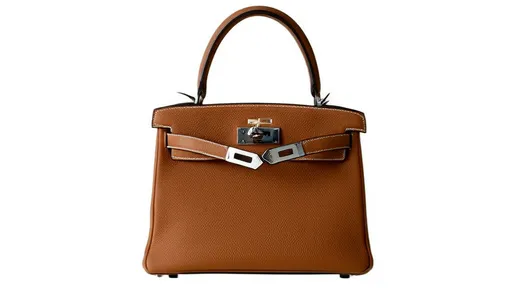
Where editors once curated seasonal looks across carefully paced monthly issues, today's fashion platforms operate as always-on digital galleries. Publications like Vogue and Harper's Bazaar have evolved into multimedia ecosystems where a single Gucci handbag might be showcased through 360-degree views, influencer styling videos, and shoppable augmented reality try-ons. This isn't content repurposing—it's a fundamental reimagining of fashion storytelling that treats each platform as a distinct creative canvas.
The shift demands new muscles from traditional fashion teams. Where photographic spreads once took months to produce, digital editors now orchestrate real-time coverage of fashion weeks across TikTok, Instagram Stories, and live blogs. The metrics have flipped too—success no longer hinges on newsstand sales but on engagement rates, swipe-through percentages, and conversion metrics that trace how editorial content drives actual purchases.
Some legacy titles initially stumbled in this new landscape, treating their websites as digital graveyards for repackaged print content. The publications thriving today understand digital natives crave participation, not passive consumption. NET-A-PORTER's Porter magazine exemplifies this, blending investigative fashion journalism with an integrated e-commerce experience that lets readers purchase featured items without leaving the article page.
What's emerging is a hybrid model that marries editorial authority with digital-native interactivity. The new guard of fashion platforms—from Business of Fashion's analytical deep dives to Vestoj's academic approach—prove audiences still crave substance when it's presented through innovative formats. Podcast interviews with designers, blockchain-authenticated digital collectibles, and AI-powered personal styling tools are becoming standard offerings.
The most forward-thinking players are leveraging technology not just for distribution, but for creative expression. Dazed Media's experiments with VR fashion shows and i-D's algorithmic mood boards suggest a future where digital fashion media becomes an immersive experience rather than a one-way broadcast. These platforms function less like magazines and more like cultural incubators, spotting underground trends before they surface on runways.
Yet for all the flashy innovations, the core challenge remains unchanged: curating compelling narratives in an oversaturated market. The publications succeeding today are those that understand their digital transformation isn't about chasing every new platform, but about extending their editorial voice across appropriate mediums. As the dust settles on fashion media's digital revolution, the winners will be those who remembered that whether on paper or pixels, authentic storytelling never goes out of style.
By /Aug 1, 2025

By /Aug 1, 2025
By /Aug 1, 2025
By /Aug 1, 2025

By /Aug 1, 2025
By /Aug 1, 2025
By /Aug 1, 2025
By /Aug 1, 2025
By /Aug 1, 2025

By /Aug 1, 2025

By /Aug 1, 2025

By /Aug 1, 2025
By /Aug 1, 2025
By /Aug 1, 2025

By /Aug 1, 2025
By /Aug 1, 2025

By /Aug 1, 2025
By /Aug 1, 2025
By /Aug 1, 2025
By /Aug 1, 2025
