The fashion industry is undergoing a quiet revolution as silver-haired models are stepping into the spotlight, challenging long-held stereotypes about age and beauty. What was once considered a niche market is now a burgeoning segment, with brands and advertisers recognizing the untapped commercial potential of older models. This shift isn’t just about inclusivity—it’s a strategic move driven by the spending power and influence of an aging demographic that refuses to be invisible.
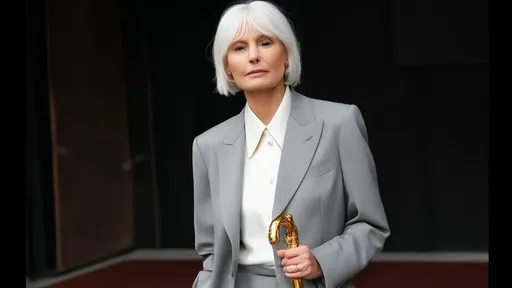
Gone are the days when fashion campaigns exclusively featured youthful faces. Today, silver-haired models are gracing the covers of Vogue, walking runways for luxury brands, and starring in high-profile ad campaigns. The rise of figures like Yasmina Rossi, Maye Musk, and Wang Deshun has proven that age is no barrier to style or marketability. These models aren’t just token representatives of diversity; they’re becoming central figures in narratives that resonate with consumers of all ages.
The commercial awakening to the value of older models is rooted in hard economic realities. The over-50 demographic controls a disproportionate share of global wealth, with spending habits that defy outdated assumptions. Unlike younger consumers, who may prioritize trends, older shoppers often seek quality, longevity, and authenticity—values that align perfectly with the messaging of many premium brands. Fashion houses are realizing that speaking to this audience requires models who reflect their lived experiences.
Social media has played a pivotal role in this transformation. Platforms like Instagram have given older models unprecedented visibility, allowing them to build personal brands that rival their younger counterparts. Accounts like @accidentalinfluencers and @advancedstyle have amassed huge followings by celebrating silver-haired elegance, proving that age-appropriate style can be aspirational. This organic grassroots movement has forced the industry to take notice, with brands increasingly collaborating with these "silver influencers."
The aesthetic appeal of aging is being redefined. Wrinkles are no longer airbrushed away but celebrated as markers of character and wisdom. Silver hair is being positioned not as something to conceal but as a bold fashion statement. This represents a fundamental shift in beauty standards that goes beyond superficial representation—it’s about changing how society perceives value and attractiveness across the lifespan.
Luxury brands have been particularly quick to capitalize on this trend. Labels like Saint Laurent, Gucci, and Balenciaga have prominently featured older models in recent campaigns, recognizing that their clientele often includes wealthy, style-conscious older consumers. High fashion’s embrace of silver models lends credibility to the movement, trickling down to influence mainstream retailers and beauty brands.
The commercial benefits extend beyond direct sales to older consumers. Younger generations, particularly Millennials and Gen Z, are drawn to brands that demonstrate authentic diversity. Featuring older models creates a halo effect of progressive values that resonates across age groups. It’s a rare instance where commercial interests align perfectly with social progress—brands can do well by doing good.
However, challenges remain. While the visibility of older models has increased, they still represent a small fraction of the industry. Ageism hasn’t disappeared—it’s simply becoming less acceptable to express openly. True progress will require more than token representation; it demands a fundamental rethinking of how age factors into creative decisions across all aspects of the fashion ecosystem.
The rise of silver models also reflects broader cultural shifts. As life expectancy increases and retirement ages rise, the traditional markers of "old age" are being redefined. The 70-year-old of today bears little resemblance to previous generations’ expectations of aging. Fashion’s embrace of older models both responds to and accelerates this cultural transformation.
Looking ahead, the commercial potential of silver fashion appears limitless. As the global population ages, the market for age-inclusive fashion will only grow. Forward-thinking brands are already developing specialized lines catering to older consumers’ needs without sacrificing style. The next frontier may be reimagining fashion shows, retail experiences, and marketing strategies to better engage this valuable demographic.
The silver model revolution proves that in fashion, as in life, timing is everything. What was once considered a liability—aging—is being transformed into a powerful asset. This isn’t just about selling clothes; it’s about selling a vision of aging that’s vibrant, stylish, and full of possibility. In the process, the industry is discovering that when it comes to commercial appeal, wisdom and wrinkles might just be the new black.
By /Aug 1, 2025

By /Aug 1, 2025
By /Aug 1, 2025
By /Aug 1, 2025

By /Aug 1, 2025
By /Aug 1, 2025
By /Aug 1, 2025
By /Aug 1, 2025

By /Aug 1, 2025

By /Aug 1, 2025
By /Aug 1, 2025

By /Aug 1, 2025
By /Aug 1, 2025
By /Aug 1, 2025

By /Aug 1, 2025
By /Aug 1, 2025

By /Aug 1, 2025
By /Aug 1, 2025
By /Aug 1, 2025
By /Aug 1, 2025
