Tokyo Harajuku's Ebb Tide: Observations on the New Generation's Street Culture"

Aug 1, 2025 By

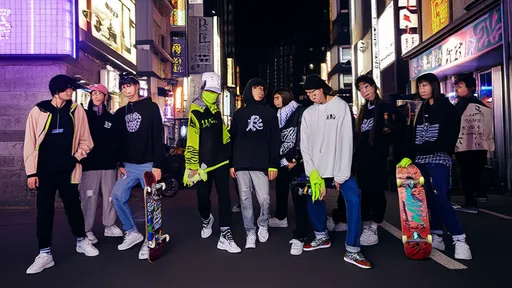
The streets of Harajuku, once a pulsating epicenter of youth culture and avant-garde fashion, are undergoing a quiet transformation. For decades, this Tokyo district served as the global stage for flamboyant self-expression, where rainbow-haired teens in layered lolita dresses or cyberpunk accessories dictated trends that rippled worldwide. Yet walk through Takeshita Street today, and the visual cacophony feels increasingly nostalgic rather than revolutionary—a museum piece where international tourists now outnumber local trendsetters. The decline of Harajuku’s signature styles isn’t merely about changing tastes; it reflects deeper shifts in how Gen Z consumes identity, interacts with physical spaces, and redefines rebellion.

The golden age of Harajuku street style thrived on deliberate excess—a rejection of minimalism through clashing prints, DIY modifications, and subcultural uniforms that announced tribal affiliations. Publications like FRUiTS and KERA documented these walking art pieces, cementing the area’s reputation as a fashion incubator. Brands like Baby, the Stars Shine Bright and A Bathing Ape emerged from these streets, while Gwen Stefani’s "Harajuku Girls" phase introduced the aesthetic to Western pop culture. Crucially, this was pre-social media creativity: outfits were crafted for IRL admiration, with weekly congregation spots like Jingu Bridge functioning as impromptu runways.

Today’s youth navigate a fundamentally different landscape. The rise of digital-native platforms like TikTok and Instagram has decentralized style communities, allowing niche aesthetics to flourish online without geographic hubs. Why brave Tokyo’s humidity in a woolen gothic lolita ensemble when you can curate a virtual persona from your bedroom? Micro-trends now cycle at hyperspeed, with "cottagecore" or "dark academia" looks gaining global traction overnight—no physical mecca required. This democratization has eroded Harajuku’s monopoly on radical self-display, as teens from Jakarta to Milwaukee craft identities through algorithmically amplified aesthetics rather than pilgrimage to a Japanese district.

Economic pressures further accelerate the change. Harajuku’s skyrocketing rents—driven by commercial development and tourism—have pushed out independent boutiques that once nurtured grassroots creativity. The shuttering of iconic stores like Laforet Harajuku in 2022 symbolized this shift, replaced by generic fast-fashion outlets catering to weekend shoppers. Meanwhile, Japan’s prolonged wage stagnation leaves fewer young people able to afford the labor-intensive, often costly Harajuku styles. A single handmade decor punk jacket might cost a month’s part-time earnings—an impractical investment when disposable income increasingly funds digital subscriptions over physical adornment.

Yet to declare Harajuku culture "dead" misses its metamorphosis. The district’s new wave favors subtlety over spectacle: think clean-lined genderless kei tailoring or thrifted Americana with quiet designer twists. Contemporary tastemakers like Yoshi and Ryuichi Sakamoto’s proteges emphasize sustainability and hybrid influences, reflecting Gen Z’s prioritization of ethics over shock value. Even the viral "Harajuku meme girls" phenomenon—where teens pose with deliberately absurd props—shows how irony has replaced the earnest flamboyance of previous generations.

This evolution mirrors broader generational values. Where 1990s Harajuku kids used fashion as armor against societal conformity, today’s youth weaponize ambiguity. The rise of normcore elements within streetwear speaks to a desire for fluidity—being remarkable through context rather than costume. Meanwhile, global social movements have redirected youthful energy toward activism, with clothing often serving as a canvas for statements rather than pure artistic indulgence. A protester’s hand-painted slogan tee now carries the rebellious weight that a pair of platform boots once did.

Tourism’s double-edged sword further complicates the picture. Pre-pandemic, Harajuku saw over 30 million annual visitors—many treating the area as a human zoo. Original creatives increasingly avoid the crowds, migrating to neighboring Shimokitazawa or Koenji for undisturbed self-expression. Yet the district’s commercialization has also birthed new hybrids, like the "kawaii industrial" aesthetic blending cute motifs with dystopian techwear—a commentary on consumerism itself.

The most compelling innovations now emerge at Harajuku’s fringes. Underground venues host "anti-street fashion" exhibitions where attendees critique consumer culture through deconstructed garments. Digital-physical hybrids thrive, like pop-ups where QR codes unlock NFT wearables. Even the decora style (known for excessive accessories) is being reinterpreted through upcycled materials, aligning with Gen Z’s eco-consciousness. These developments suggest Harajuku’s spirit persists—not as a monolithic style capital, but as a mindset adapting to new constraints.

What emerges from this transition may defy easy categorization. Unlike the easily photographed heyday of visual kei or fairy kei, contemporary Japanese youth culture rejects prescribed labels. The next wave could be a post-subcultural era where individuality means constantly shapeshifting between aesthetics—today’s oversized vintage hoodie paired with tomorrow’s virtual reality nails. Harajuku’s legacy endures not in specific silhouettes, but in its foundational belief: that streets can be studios, and identity an ongoing art project.
Recommend Posts
Fashion

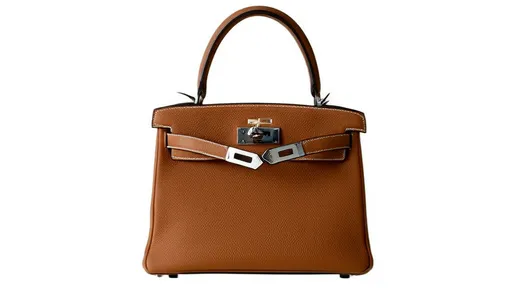
Hermès Kelly Bag Size Revolution: The Miniaturization Trend

By /Aug 1, 2025

The fashion world is no stranger to evolution, but few transformations have been as quietly revolutionary as the downsizing of the iconic Hermès Kelly bag. What began as a functional accessory for the modern woman in the mid-20th century has now become a symbol of micro-luxury, reflecting broader shifts in consumer behavior, urban lifestyles, and even gender dynamics. The Kelly’s journey from practical to precious mirrors our changing relationship with objects—where size no longer dictates status, and intimacy trumps ostentation.
Fashion

Sizeless Fitness: The Revolution of Patterns from Underwear to Outerwear

By /Aug 1, 2025

The fashion industry has long been dictated by rigid sizing systems that often leave consumers frustrated and excluded. For decades, women’s clothing in particular adhered to arbitrary measurements that failed to account for the vast diversity of body shapes. But a quiet revolution has been brewing—one that challenges the very notion of sizing. The rise of "size-free" or "one-size" fashion, spanning from lingerie to outerwear, is dismantling traditional norms and redefining what it means to create inclusive, adaptable apparel.
Fashion

Chanel's Tweed Material Iteration in the 21st Century

By /Aug 1, 2025

In the ever-evolving world of haute couture, few materials have maintained their relevance and allure as steadfastly as Chanel’s iconic tweed. The 21st century has seen this timeless fabric undergo a series of transformative iterations, blending tradition with cutting-edge innovation. From its humble origins in the Scottish Highlands to its current status as a symbol of Parisian elegance, tweed has been reimagined to meet the demands of modern fashion while preserving its storied heritage.
Fashion

The Contemporary Revival of the Three-Piece Suit in London's West End

By /Aug 1, 2025

The streets of London's West End hum with a quiet sartorial revolution. Where fast fashion once dominated the pavements around Savile Row and Jermyn Street, a growing contingent of well-heeled gentlemen now move with deliberate elegance in fully canvassed three-piece suits. This isn't about nostalgia - it's a conscious rejection of disposable style in favor of craftsmanship that breathes.
Fashion

Fashion Magazine Transformation: From Print to Digital Curation Platform

By /Aug 1, 2025

The glossy pages of fashion magazines once dictated trends from Paris runways to suburban shopping malls, their tactile spreads serving as sacred texts for style disciples. Yet as the digital revolution reshapes how we consume content, these iconic publications face an existential crossroads. The smartest among them aren't merely surviving the transition from print to pixels—they're reinventing what fashion media can be in the age of algorithmic feeds and infinite scroll.
Fashion

The Rise of Plus-Size Models: A Report on Sizes at the Four Major Fashion Weeks

By /Aug 1, 2025

The fashion industry has long been criticized for its narrow beauty standards, but a quiet revolution has been unfolding on the runways of New York, London, Milan, and Paris. Over the past five seasons, the presence of plus-size models at the Four Major Fashion Weeks has grown from token appearances to meaningful representation, signaling a fundamental shift in how the industry perceives beauty and market viability.
Fashion

Tokyo Harajuku's Ebb Tide: Observations on the New Generation's Street Culture"

By /Aug 1, 2025

The streets of Harajuku, once a pulsating epicenter of youth culture and avant-garde fashion, are undergoing a quiet transformation. For decades, this Tokyo district served as the global stage for flamboyant self-expression, where rainbow-haired teens in layered lolita dresses or cyberpunk accessories dictated trends that rippled worldwide. Yet walk through Takeshita Street today, and the visual cacophony feels increasingly nostalgic rather than revolutionary—a museum piece where international tourists now outnumber local trendsetters. The decline of Harajuku’s signature styles isn’t merely about changing tastes; it reflects deeper shifts in how Gen Z consumes identity, interacts with physical spaces, and redefines rebellion.
Fashion

Resurgence of Hair Accessories: The Tussle Between Pearl Chains and Metal Headbands

By /Aug 1, 2025

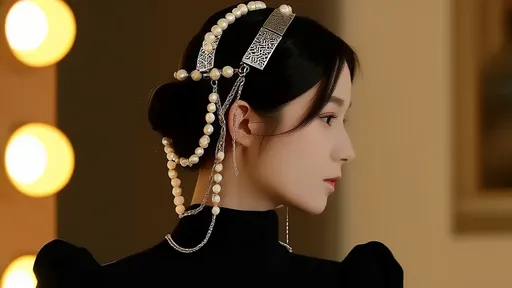
The resurgence of hair accessories in recent years has been nothing short of a cultural phenomenon. From the runways of Paris to the streets of Tokyo, embellishments like pearl strands and metallic headbands have reclaimed their spot as must-have fashion statements. Yet, beneath this revival lies a subtle but fascinating tension—between the delicate allure of pearls and the bold, unapologetic edge of metal. It’s more than just a choice of aesthetics; it’s a reflection of shifting identities, generational preferences, and even socio-political undercurrents.
Fashion

E-commerce Main Image Revolution: Dynamic Display Replaces Static Photography

By /Aug 1, 2025

The world of e-commerce visuals is undergoing a seismic shift. Gone are the days when perfectly staged product photos could guarantee customer engagement. Today, forward-thinking brands are embracing dynamic content that brings products to life, fundamentally changing how consumers interact with online shopping experiences.
Fashion

Chinese Brand Vision: The Application of Eastern Aesthetics in E-commerce

By /Aug 1, 2025

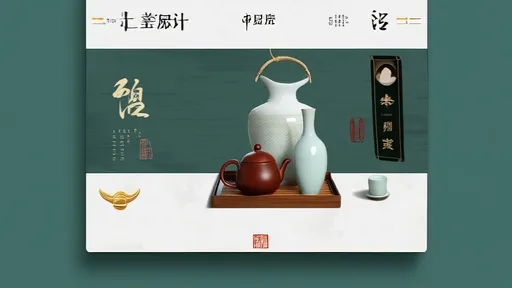
The global e-commerce landscape is undergoing a subtle yet profound transformation as Chinese brands increasingly leverage their rich cultural heritage to create distinctive visual identities. Eastern aesthetics, with its millennia-old traditions and contemporary reinterpretations, has emerged as a powerful differentiator in the crowded digital marketplace.
Fashion

Silver Fashion Trend: The Awakening of Commercial Value for Senior Models

By /Aug 1, 2025

The fashion industry is undergoing a quiet revolution as silver-haired models are stepping into the spotlight, challenging long-held stereotypes about age and beauty. What was once considered a niche market is now a burgeoning segment, with brands and advertisers recognizing the untapped commercial potential of older models. This shift isn’t just about inclusivity—it’s a strategic move driven by the spending power and influence of an aging demographic that refuses to be invisible.
Fashion

Real Skin Movement: Ad Rules Against Photoshopping

By /Aug 1, 2025

The beauty industry is undergoing a seismic shift as new advertising regulations demand unretouched representations of human skin. Across major markets from Europe to North America, legislative bodies and industry watchdogs are implementing strict guidelines prohibiting excessive digital manipulation in skincare and cosmetics advertisements. This movement, broadly termed "Real Skin Movement," represents more than compliance - it's fundamentally altering how brands communicate with consumers in an age of heightened authenticity demands.
Fashion

Functional Upgrade of Burberry Trench Coat

By /Aug 1, 2025

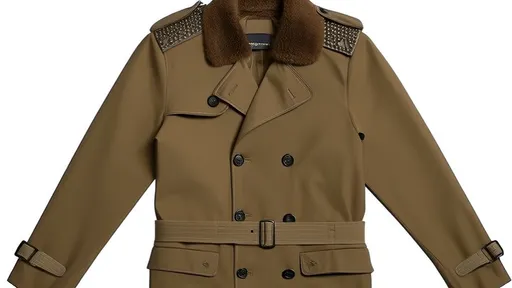
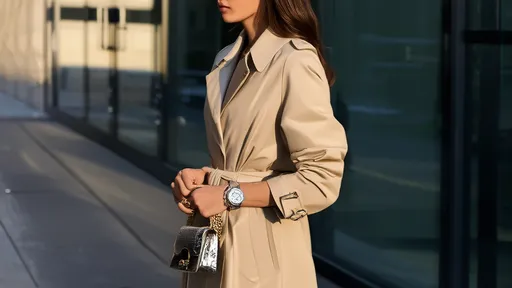
The iconic Burberry trench coat, a sartorial symbol of British heritage, has undergone a quiet revolution. While maintaining its timeless silhouette, recent iterations reveal a sophisticated marriage of tradition and technological innovation that redefines functional luxury. This isn't about ostentatious redesign but rather an almost invisible elevation of the garment's DNA - where every stitch serves a purpose beyond aesthetics.
Fashion

The Subcultural Migration History of Dr. Martens Boots

By /Aug 1, 2025

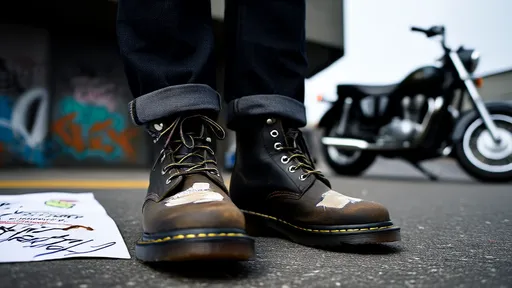
The story of Dr. Martens boots is a tale of rebellion, identity, and cultural evolution. What began as a utilitarian work boot in post-war Germany eventually became a symbol of defiance, adopted by various subcultures across decades. The journey of these iconic boots mirrors the shifting tides of youth movements, musical revolutions, and societal change. From factory floors to punk mosh pits, Dr. Martens have walked through history, leaving an indelible mark on global style and attitude.
Fashion

Narratology of Display Windows: Hermès' Fairy Tale Scene Construction

By /Aug 1, 2025

In the hushed glow of Parisian twilight, where the Seine mirrors the city's golden lights, Hermès transforms its vitrines into portals of enchantment. The maison's holiday windows this year don't merely display merchandise—they stage a sartorial fairy tale where leather becomes forest foliage and silk scarves morph into rivers of liquid color. This is window storytelling at its most alchemical, where commercial space dissolves into narrative wonder.
Fashion

A Fashionable Matching Guide for Rolex Datejust

By /Aug 1, 2025

The Rolex Datejust is more than just a timepiece; it’s a statement of elegance, precision, and timeless style. Since its debut in 1945, the Datejust has become synonymous with sophistication, making it a favorite among watch enthusiasts and fashion-forward individuals alike. What sets the Datejust apart is its versatility—it effortlessly transitions from boardroom meetings to black-tie events, and even casual outings. This adaptability makes it the perfect accessory for those who appreciate both horological excellence and sartorial flair.
Fashion

Los Angeles Health Aesthetics: The Refined Transformation of Sports and Leisure

By /Aug 1, 2025

The sun-drenched streets of Los Angeles have long served as a global stage for wellness culture, but in recent years, a quiet revolution has been unfolding in the city's approach to activewear. What began as a purely functional uniform for gym sessions has blossomed into a sophisticated sartorial language—one that speaks to the intersection of health consciousness and high design. This evolution reflects a broader cultural shift in how Angelenos conceptualize self-care, where the boundaries between workout and leisure wear dissolve into something far more intentional.
Fashion

Neutral Children's Clothing: A New Market Unbound by Gender Stereotypes

By /Aug 1, 2025

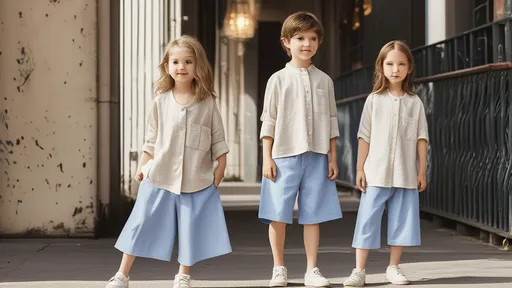
The children's fashion industry is undergoing a quiet revolution. For decades, the sector has been rigidly divided along gender lines—pink frills and princess motifs for girls, blue trucks and dinosaurs for boys. But a growing movement toward gender-neutral clothing is challenging these outdated norms, creating exciting opportunities for brands willing to embrace inclusivity.
Fashion

Shanghai Cheongsam: A Fusion of Shanghainese Tailoring and Suzhou-Hangzhou Embroidery

By /Aug 1, 2025

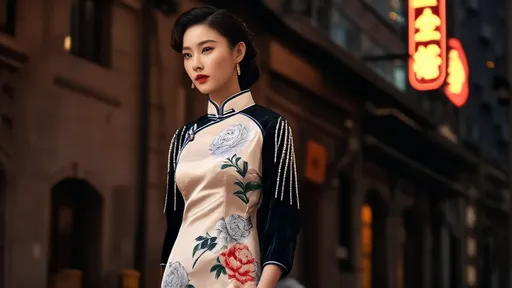
The streets of Shanghai have long been a canvas for fashion innovation, where tradition and modernity dance in harmonious rhythm. Among the most captivating expressions of this sartorial symphony is the evolution of the qipao, the iconic Chinese dress that has undergone a fascinating metamorphosis under the skilled hands of contemporary Shanghainese designers. The latest movement, dubbed "New Shanghai Qipao," represents a breathtaking fusion of Haipai tailoring techniques with the delicate embroidery traditions of Suzhou and Hangzhou, creating garments that whisper of heritage while shouting of avant-garde sophistication.
Fashion

The Rhythmics of Close-up and Panoramic Shots in Fashion Show Live Broadcasts

By /Aug 1, 2025

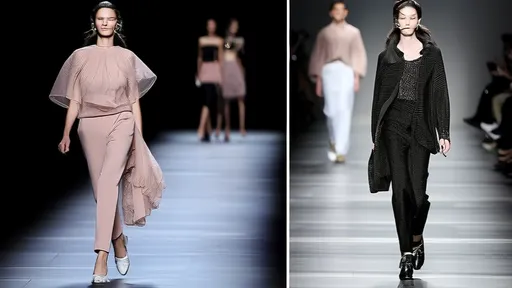
The world of runway livestreaming has evolved into a sophisticated visual language, where the interplay between close-ups and wide shots creates a rhythm that transcends mere fashion presentation. This dance of perspectives has become an art form in itself, shaping how audiences experience collections and connect with designers' visions.