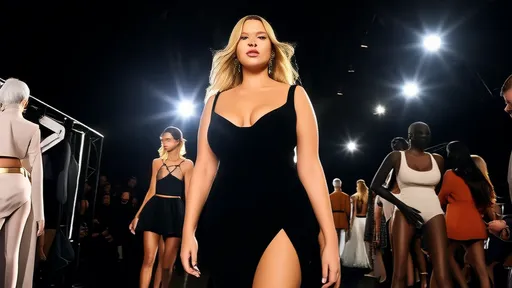
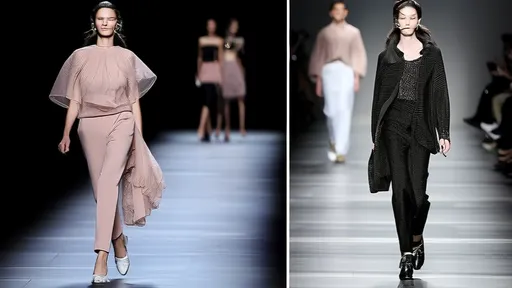
The world of runway livestreaming has evolved into a sophisticated visual language, where the interplay between close-ups and wide shots creates a rhythm that transcends mere fashion presentation. This dance of perspectives has become an art form in itself, shaping how audiences experience collections and connect with designers' visions.
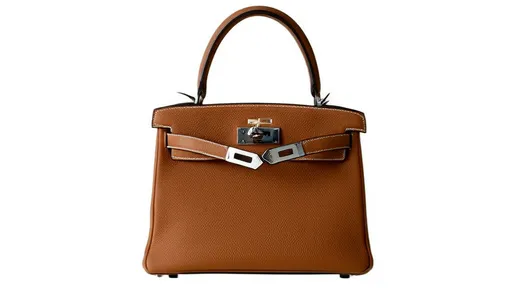
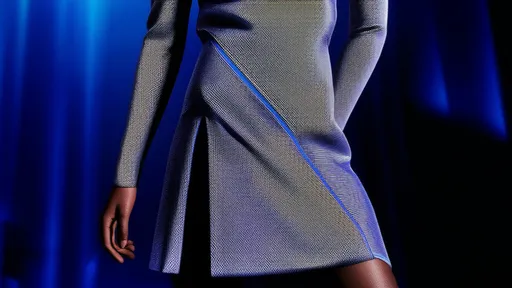
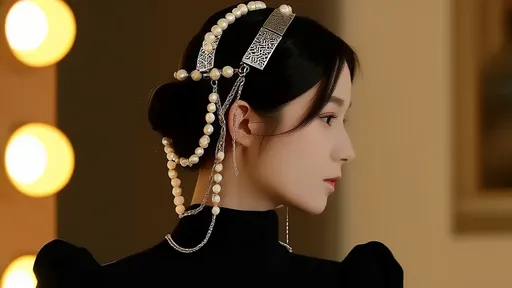
At the heart of this visual symphony lies the strategic alternation between intimate details and grand spectacles. The close-up shot serves as the punctuation mark in this visual sentence, drawing viewers into textures, stitches, and subtle movements that would otherwise disappear in the whirl of a catwalk. When executed with precision, these tight frames transform accessories into protagonists and embroidery into storytelling.
The magic happens in the transitions – that fleeting moment when the camera pulls back from a beaded cuff to reveal the entire ensemble, or when it pushes in from a model's strut to capture the determination in her eyes. These shifts in perspective create what cinematographers call "visual breathing room," allowing the audience to absorb details before stepping back to appreciate the complete picture.
Seasoned production teams have developed an almost musical approach to this visual rhythm. Like a composer balancing staccato notes with sustained chords, they alternate rapid-fire detail shots with lingering wide angles. The tempo varies by collection - avant-garde pieces might demand stutter-step editing with frequent tight shots, while fluid eveningwear benefits from graceful, uninterrupted wide takes.
Technology has amplified these possibilities, with robotic cameras and drone shots introducing dynamic movements that traditional runway filming couldn't achieve. The modern viewer experiences collections through a constantly evolving perspective - sometimes floating above the runway like a ghost, other times walking alongside models at eye level. This technological ballet has redefined what "front row" means in the digital age.
Behind the scenes, directors work with fashion houses to develop shot sequences that amplify each collection's narrative. A sustainability-focused line might emphasize fabric textures through prolonged close-ups, while a futuristic collection could benefit from disorienting rapid zooms. The camera becomes an interpreter of design philosophy.
The psychological impact of this visual rhythm shouldn't be underestimated. Close-ups create intimacy and immediacy, triggering the mirror neurons that make viewers feel present. Wide shots provide context and spectacle, satisfying our craving for grandeur. The alternation between these modes keeps audiences engaged through what psychologists call the "variable reward schedule" - our brains stay alert anticipating the next visual shift.
Social media has further complicated this visual language. Platforms demand constant visual variety to maintain engagement, pushing productions toward faster cuts and more dramatic perspective shifts. Yet the most effective streams understand when to resist this pressure, allowing moments to breathe when the fashion demands it. The true artistry lies in knowing when to break the rhythm for maximum impact.
As livestreaming becomes the primary way most people experience fashion weeks, these visual decisions carry tremendous weight. They shape how collections are perceived, which details go viral, and ultimately, what gets remembered. The runway show is no longer just about clothes moving through space - it's about how cameras move through that space, and how those movements make us feel.
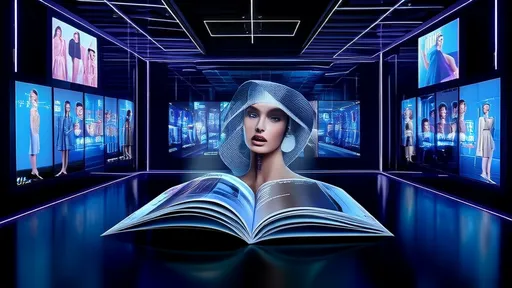
Looking ahead, we're seeing experimentation with viewer-controlled perspectives and augmented reality layers that will further disrupt traditional shot sequencing. Yet the fundamental tension between intimacy and spectacle will remain. The most compelling fashion films will continue to be those that master this push-and-pull, using camera movement not just to document beauty, but to choreograph how we fall in love with it.
By /Aug 1, 2025

By /Aug 1, 2025
By /Aug 1, 2025
By /Aug 1, 2025
By /Aug 1, 2025
By /Aug 1, 2025
By /Aug 1, 2025
By /Aug 1, 2025
By /Aug 1, 2025

By /Aug 1, 2025

By /Aug 1, 2025
By /Aug 1, 2025
By /Aug 1, 2025
By /Aug 1, 2025
By /Aug 1, 2025
By /Aug 1, 2025

By /Aug 1, 2025
By /Aug 1, 2025
By /Aug 1, 2025
By /Aug 1, 2025
